
Concrete Pool Decks
Create a safe, attractive pool surround with professionally installed concrete pool decks that stay cool underfoot, resist water damage, and complement your outdoor living space.
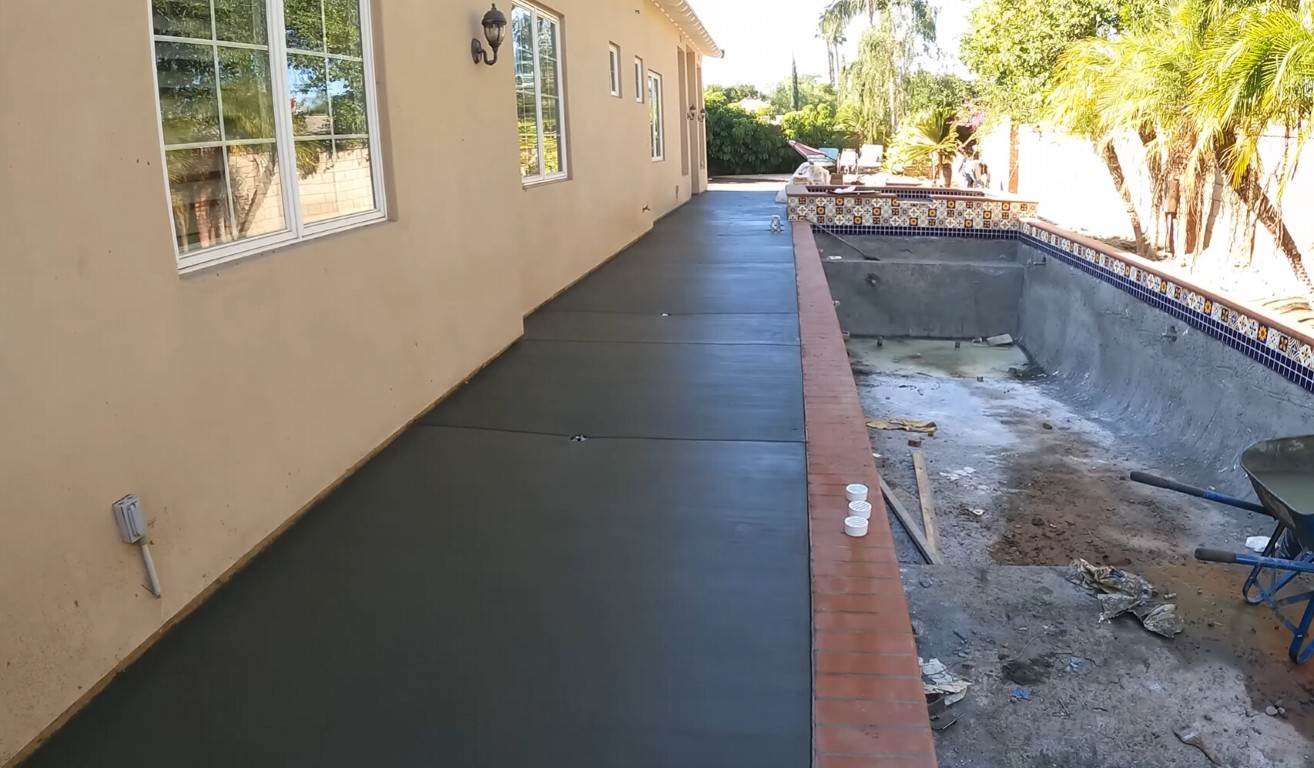
Why Concrete Works for Pool Decks
Pool decks face unique challenges that concrete handles better than most materials. Constant moisture from splashing and wet feet would destroy wood quickly. The area needs to drain well so water does not pool and create slip hazards. The surface gets hot summer sun beating down all day, so materials that absorb heat become too hot to walk on barefoot. Concrete addresses all these issues while remaining affordable and long-lasting.
Your pool deck sees more abuse than almost any other concrete surface on your property. People walk on it constantly, often running and playing. They drag furniture and pool equipment across it. Chlorinated water splashes on it daily. UV rays beat down on it for hours. Despite all this, a properly installed concrete pool deck keeps performing and looking good for decades with minimal maintenance.
Midland Concrete Company builds pool decks that stay cool enough to walk on even in peak summer heat. The finish and color choices affect how much heat the concrete absorbs. Light colors reflect sun while darker colors absorb it. Texture also matters because smooth concrete transfers heat to bare feet faster than textured surfaces do. We guide you through these decisions so your pool deck is comfortable to use all season long.
Pool Deck Design Considerations
Width around the pool affects both function and appearance. You need enough room for lounge chairs, tables, and walking paths. Most pools benefit from at least four feet of deck on all sides, with wider areas near steps and gathering spots. If you entertain around your pool, plan for six to eight feet of deck space so people have room to move comfortably without feeling crowded.
Pool Deck Features
- Slip-resistant texture for safety on wet surfaces
- Proper slope away from pool for water drainage
- Rounded edges that are comfortable for bare feet
- Expansion joints to prevent cracking from temperature changes
- Light colors that stay cooler in direct sunlight
- Decorative finishes including stamped patterns and stains
Drainage is critical on pool decks because water is constantly present. We slope the deck slightly away from the pool so splashed water and rain drain toward yard areas or drains. Standing water creates slip hazards and eventually causes concrete damage. The slope needs to be enough to move water but not so much that the deck feels tilted. We get this balance right through careful grading during installation.
Finish texture directly affects safety. Smooth concrete becomes dangerously slippery when wet. We use textures that provide good traction for bare feet without being so rough they are uncomfortable to walk on. Options include light broom finish, brushed texture, or stamped patterns that add visual interest while maintaining slip resistance. The right texture makes your pool safer without sacrificing comfort.
Building Pool Decks That Last
Pool deck construction starts with excavation and base preparation around the pool. The base needs proper compaction and drainage material just like any concrete project. However, pool decks require extra attention to slope and drainage since water management is so critical. We take time to get the base graded correctly because fixing drainage problems after the concrete is poured costs much more.
Reinforcement in pool decks is especially important. Temperature changes and constant moisture create stress on the concrete. We use adequate rebar or wire mesh to control cracking and add strength. The pool coping, where the deck meets the pool edge, gets special reinforcement and careful finishing. This high-stress area needs to be strong and look good because it is one of the most visible parts of your pool area.
The concrete pour happens carefully around pools. We work around pool equipment, existing plumbing, and often tight access areas. The concrete needs to be placed and finished while fresh, which requires coordination and experience. We protect your pool from concrete splatter and ensure the finished deck is level, properly sloped, and has the texture you want.
Sealing pool decks after curing protects the concrete from chlorine damage and makes the surface easier to clean. Pool chemicals are harsh, and unsealed concrete absorbs them over time. A quality sealer keeps chemicals on the surface where they can be rinsed away instead of soaking into the concrete. We recommend resealing every few years to maintain this protection and keep your deck looking fresh.
Decorative Options for Pool Decks
Plain gray concrete works fine for pool decks, but decorative options let you create something special. Stamped concrete can mimic stone, tile, or pavers while maintaining the durability of solid concrete. Popular patterns for pools include travertine, slate, and random stone looks that blend well with water features and landscaping.
Color options range from subtle earth tones to bolder choices that make a statement. Light colors stay cooler, which matters around pools where people walk barefoot. Tan, beige, and light gray are popular because they look good and perform well. You can also add color accents, borders, or bands that define different areas within the pool deck.
Exposed aggregate creates a beautiful natural stone look with excellent slip resistance. We place special aggregate in the concrete and expose it by removing the surface layer before the concrete fully hardens. The result is a textured surface with natural stone showing through. This finish stays cool, provides great traction when wet, and creates an upscale appearance that complements resort-style pool areas.
Combining different finishes creates visual interest and defines spaces. You might use stamped concrete for the main deck area and a different texture for walkways or sitting areas. Borders in contrasting colors or patterns frame the pool nicely. Patio areas near the pool can use complementary finishes that tie everything together. We help you design a cohesive look that makes sense for your space and budget.
Maintaining Your Pool Deck
Pool deck maintenance is straightforward. Regular hosing removes dirt, leaves, and pool chemicals before they stain. A pressure washer once or twice a season gets deeper cleaning done quickly. Avoid harsh cleaners that can damage the sealer or concrete surface. Mild soap and water handle most cleaning needs without causing problems.
Watch for cracks and address them promptly. Small cracks let water penetrate underneath, which leads to bigger problems over time. We seal small cracks to prevent water intrusion and keep them from growing. If you notice sections of deck settling or becoming uneven, have them evaluated. Early repairs cost much less than major fixes needed when problems progress.
Resealing every two to four years maintains protection and appearance. The sealer wears away gradually from foot traffic, pool chemicals, and sun exposure. When water stops beading on the surface, it is time to reseal. This simple maintenance step extends the life of your decorative finishes and protects the concrete itself from chemical damage and staining.
Winter pool closing should include deck inspection and minor repairs if needed. Address any cracks or damage before freeze-thaw cycles make them worse. Remove furniture and equipment to prevent stains or rust marks. Cover equipment pads and protect exposed pipes. Taking a few minutes during closing prevents problems that would need attention next season.
Common Questions About Pool Decks
How soon can we use the pool deck after installation?+
Light foot traffic is safe after about three days, but we recommend waiting a full week before using furniture or heavy equipment on the deck. The concrete continues gaining strength as it cures, reaching most of its strength within the first week. For best results, wait at least two weeks before heavy use, and avoid dragging furniture across the surface during the first month. If your pool is already filled, you can use it while the deck cures, just keep off the fresh concrete itself until curing is complete.
Will chlorine damage concrete pool decks?+
Chlorine and other pool chemicals can damage unsealed concrete over time, causing discoloration and surface degradation. This is why we strongly recommend sealing your pool deck and maintaining that sealer regularly. A good sealer creates a barrier that prevents chemicals from soaking into the concrete. Rinse splashed chemicals off the deck promptly rather than letting them sit and concentrate. With proper sealing and basic care, your concrete pool deck will handle pool chemicals without problems for many years.
Can you install a deck around an existing pool?+
Yes, we regularly install concrete decks around existing pools. This is common when replacing old damaged decks or upgrading from other materials to concrete. We work carefully around pool equipment and plumbing, protecting the pool itself during construction. Access can be challenging on some properties, but we have experience working in tight spaces and around obstacles. If you want to replace or add to your existing pool deck, we evaluate access and logistics during our site visit and plan the work accordingly.