Concrete Repair & Replacement
Fix damaged concrete or replace it completely with professional repair and replacement services that restore safety, function, and curb appeal to your property.
When to Repair vs Replace Concrete
Not every damaged concrete surface needs complete replacement. Small cracks, minor settling, and surface damage often respond well to targeted repairs that cost a fraction of replacement. The key is knowing when repair makes sense and when replacement is the better investment. We evaluate your concrete honestly and tell you which approach gives you the best value.
Repair works well for isolated problems. A few cracks in an otherwise solid driveway, a small settled section of walkway, or surface spalling from deicing salts can all be fixed without tearing out the entire slab. These repairs extend the life of your concrete and cost much less than starting over. If the underlying structure is sound and the damage is localized, repair is usually the smart choice.
Replacement becomes necessary when damage is widespread or the concrete has failed structurally. Multiple large cracks, significant settling across the entire surface, or concrete that is crumbling and breaking apart tells you the slab has reached the end of its useful life. In these cases, repairs are temporary band-aids that will not hold up. Midland Concrete Company helps you understand what condition your concrete is really in so you can make an informed decision about repair versus replacement.
Common Concrete Problems We Fix
Concrete damage comes from various sources. Understanding what caused the problem helps us fix it right so it does not come back. Some issues result from poor initial installation, while others are just normal wear over time. Here in Midland, our climate creates specific challenges that affect concrete durability and performance.
Typical Concrete Issues
- Cracking from settling, shrinkage, or freeze-thaw cycles
- Surface spalling where the top layer flakes or chips off
- Sunken or settled sections from soil erosion or poor compaction
- Uneven surfaces that create trip hazards or drainage problems
- Discoloration and staining that affects appearance
- Deteriorated joints and edges that let water penetrate
Cracking is the most common issue we see. Small cracks are normal in concrete, but large cracks or rapidly growing cracks signal problems. Water gets into cracks and causes more damage when it freezes. We seal smaller cracks to prevent water intrusion and cut out and replace sections with major cracking. The repair approach depends on crack size, location, and what is causing the cracking.
Settling happens when the soil beneath concrete compresses or washes away. This creates low spots where water pools and sections that sit at different heights. Minor settling can sometimes be corrected with mudjacking or foam injection. Major settling usually requires removing the concrete, fixing the base problem, and pouring new concrete with proper support underneath.
Our Repair Process
Concrete repair starts with diagnosis. We examine the damaged area to understand what went wrong and what needs to be done. Sometimes the problem is obvious, but other times we need to investigate further to find the root cause. Getting this right ensures the repair actually fixes the issue instead of just covering it up temporarily.
For crack repairs, we clean out the crack and prepare the edges so repair material bonds properly. Small cracks get filled with flexible sealant that moves with the concrete. Larger cracks may need routing out to create a reservoir for repair material. We use commercial-grade products specifically designed for concrete repair, not the cheap stuff from big box stores that fails within a year.
Surface repairs address spalling and damage to the top layer of concrete. We remove loose or damaged material down to sound concrete, then apply repair mortar or resurfacing compound. The repaired area gets blended to match the surrounding surface as closely as possible. While perfect color matching is difficult, we work to make repairs as unobtrusive as possible.
Partial replacement involves cutting out damaged sections and pouring new concrete in those areas. We saw cut clean edges, remove the old concrete, prepare the base properly, and pour fresh concrete that ties into the existing slab. This approach works well when only part of a driveway or patio has failed. You save money by keeping the good sections and only replacing what really needs it.
When Full Replacement Makes Sense
Complete replacement gives you a fresh start with concrete that should last decades. If your driveway, patio, or walkway has multiple problems in different areas, replacement often costs less than extensive repairs. You also get the opportunity to improve the design, add proper drainage, or upgrade to decorative finishes that were not there before.
Old concrete eventually reaches the point where repair is not practical. Concrete from 40 or 50 years ago used different materials and techniques than we use today. If that old concrete is showing its age across the entire surface, replacement lets you upgrade to modern standards. New concrete will be stronger, more durable, and look much better than patched-up old concrete.
Replacement also fixes underlying problems that repairs cannot address. Poor drainage, inadequate base preparation, or missing reinforcement in the original installation all lead to recurring problems. When we replace concrete, we correct these issues so the new concrete performs properly. You get the peace of mind knowing the job was done right this time.
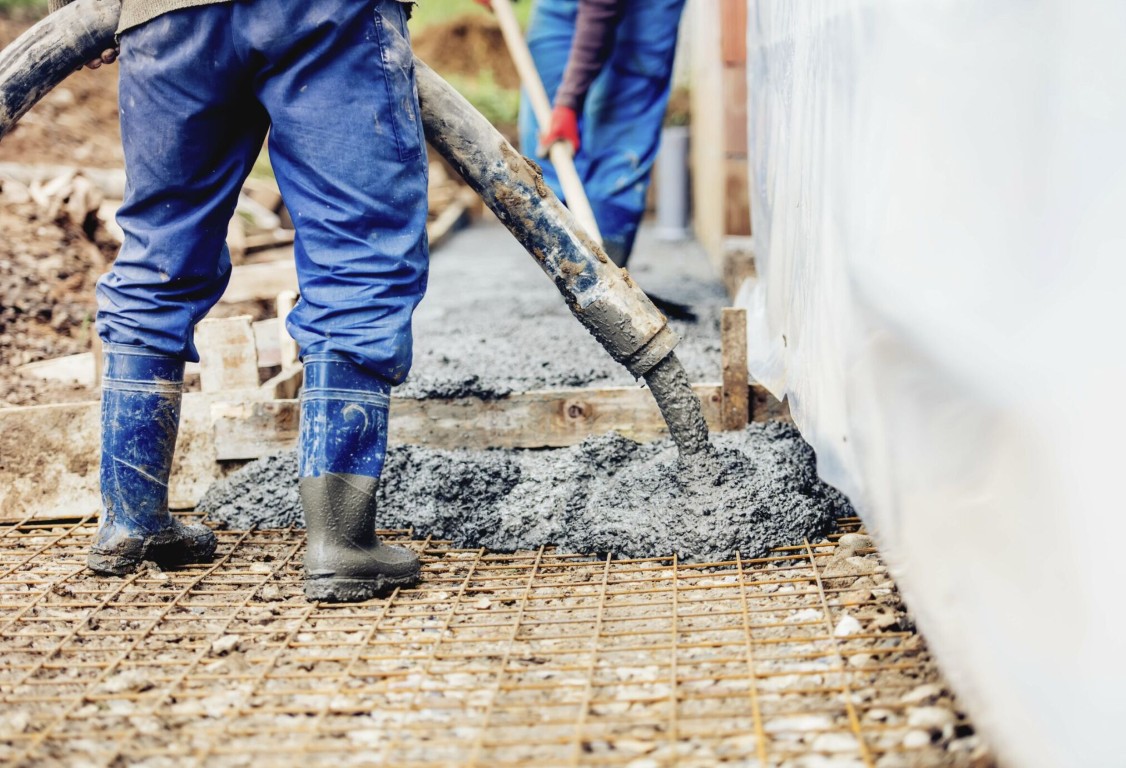
The replacement process starts by removing old concrete and disposing of it properly. We excavate to proper depth, prepare a solid base with good drainage, and install appropriate reinforcement. Then we pour new concrete using current best practices and finish it to your specifications. The result looks great and performs well for decades to come.
Preventing Future Concrete Problems
Proper installation prevents most concrete problems before they start. That means adequate base preparation, appropriate thickness, proper reinforcement, and correct finishing techniques. We build this quality into every job because preventing problems costs less than fixing them later. You might not see the base work or reinforcement after we pour, but those hidden elements determine how your concrete performs.
Drainage is critical to concrete longevity. Water that sits on concrete or flows underneath causes damage over time. We slope surfaces properly, direct water away from structures, and ensure good drainage beneath slabs. These simple measures prevent many of the settling and cracking issues that plague poorly installed concrete.
Maintenance also matters. Keeping concrete clean, sealing it periodically, and addressing small problems before they grow all extend service life. We give every customer maintenance recommendations specific to their concrete. Following these simple guidelines helps your concrete last as long as possible with minimal problems.
Some damage is just normal aging. Concrete exposed to weather and traffic will eventually show wear no matter how well it was installed or maintained. When that time comes, we are here to help with expert repairs or quality replacement that restores your property to excellent condition.
Common Questions About Concrete Repair
How long do concrete repairs last?+
Repair longevity depends on the type of repair and what caused the original damage. Surface repairs and crack sealing typically last 5 to 10 years before they need attention again. Partial slab replacement should last as long as new concrete, which means 20 to 30 years or more with proper maintenance. The key is addressing the root cause of the problem. If we fix the symptom but not the cause, the problem will come back quickly. That is why we focus on understanding why the damage occurred and correcting underlying issues as part of the repair process.
Can repaired concrete be made to match the original?+
Perfect matching is difficult because new concrete is lighter than old weathered concrete. We can get close with color additives and careful finishing, but some difference will usually be visible, especially at first. Over time, the repair area weathers and often blends better with the surrounding concrete. For areas where appearance matters most, we sometimes recommend decorative treatments or resurfacing the entire area so everything matches. We set realistic expectations upfront so you know what to expect from repairs.
Should I repair or replace my concrete?+
This depends on the extent and type of damage. As a general rule, if more than one third of the surface has significant problems, replacement usually makes better economic sense. If damage is isolated to specific areas and the rest of the concrete is in good condition, repair is the way to go. We evaluate your concrete and give you honest recommendations based on actual condition, not what makes us the most money. Sometimes the best answer is to repair now and plan for replacement in a few years, giving you time to budget for the bigger project while keeping the concrete functional in the meantime.