Sidewalks, Walkways & Flatwork
Create safe, attractive pathways and outdoor surfaces with professional concrete flatwork that connects your property while adding curb appeal and functionality.
What Flatwork Includes
Flatwork is the concrete industry term for any horizontal concrete surface. This includes sidewalks that run along streets, walkways connecting different parts of your property, and various other flat concrete installations. While the name sounds technical, flatwork simply refers to all the concrete surfaces you walk or drive on that are not vertical like walls or steps.
These surfaces matter more than most people realize. A well-designed walkway guides visitors naturally from the street or driveway to your front door. Properly poured sidewalks create safe paths that stay level and drain well. Quality flatwork prevents trip hazards, manages water flow, and makes your property more usable and valuable. Poor flatwork creates ongoing problems and liability issues you do not want to deal with.
Midland Concrete Company specializes in all types of flatwork for residential, commercial, and municipal projects. We understand local codes and requirements, which vary depending on whether we are working on private property or public right-of-way. Every walkway and sidewalk we pour meets code requirements and delivers years of trouble-free service.
Types of Concrete Flatwork We Install
Sidewalks along streets need to meet specific municipal standards. These regulations cover width, thickness, slope, and placement relative to property lines and utilities. We handle the permit process and coordinate with city inspectors to ensure everything gets approved. You do not need to navigate these bureaucratic requirements yourself because we deal with them regularly.
Common Flatwork Applications
- Public sidewalks along streets meeting municipal code requirements
- Front walkways from sidewalk or driveway to entry doors
- Backyard paths connecting patios, sheds, and garden areas
- Courtyards and plaza areas for gathering spaces
- Parking pads and turnaround areas for vehicles
- Equipment pads for AC units, generators, and storage sheds
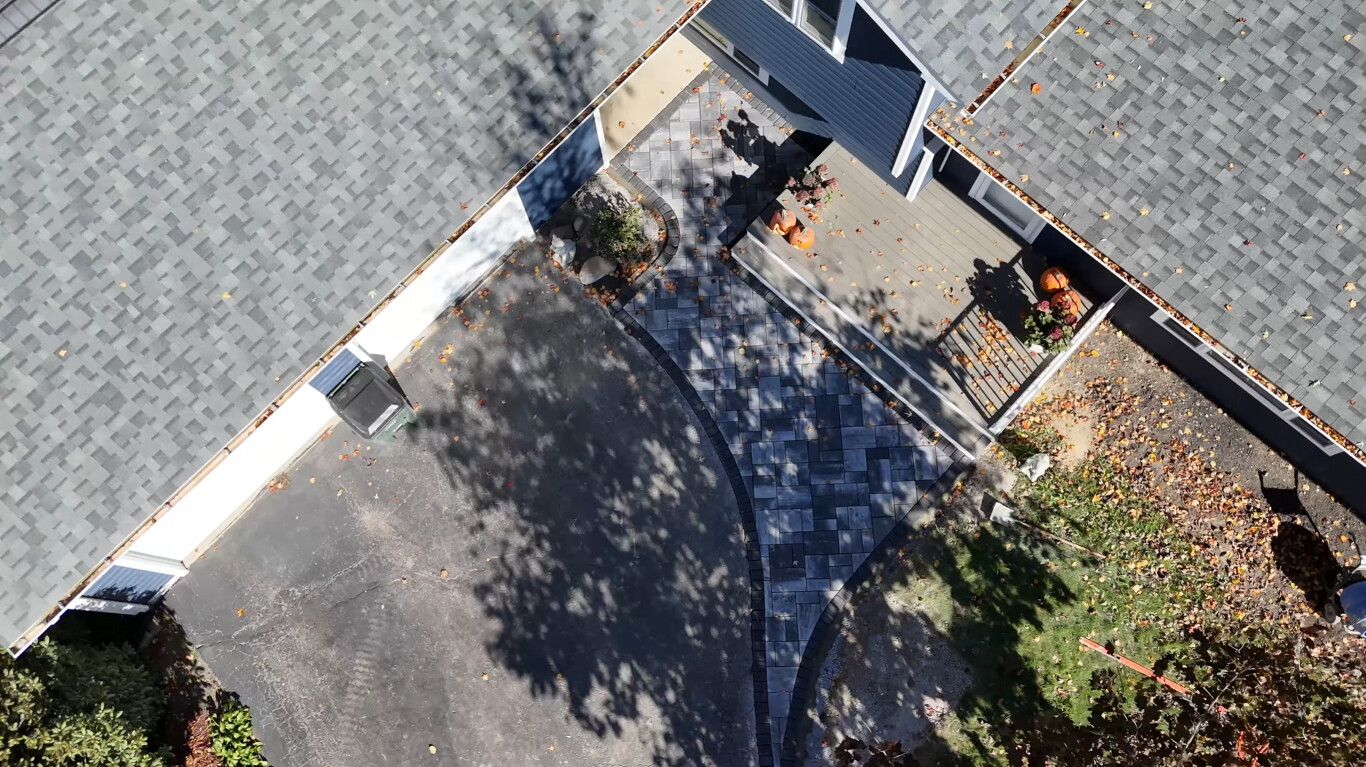
Walkways on private property give you more design freedom. You choose the width, path, and finish that works best for your landscape and usage. A narrow path to your garden needs different specifications than a wide walkway to a backyard entertainment area. We help you determine appropriate dimensions and features based on how you will actually use the space.
Equipment pads are simple but important flatwork projects. Your air conditioner, pool equipment, or generator needs a solid, level base that keeps it off the ground and functioning properly. We pour these pads to exact dimensions with proper drainage so your equipment stays dry and performs reliably. These small concrete pads prevent big problems down the road.
Design Considerations for Walkways
Width affects both function and appearance. A 36-inch-wide walkway accommodates one person comfortably, while 48 inches allows two people to walk side by side. Front walkways to your main entrance usually benefit from the wider dimension because they make a better impression and feel more welcoming. Side or back paths can be narrower since they get less traffic and serve more utilitarian purposes.
Path layout should follow natural traffic patterns. Watch where people actually walk on your property, and design walkways that follow those desire paths. Fighting against natural flow creates walkways people avoid because they are not conveniently located. We help you plan routes that make sense for your property layout and daily activities.
Slope and grading keep water moving off walkways instead of pooling. Flat might seem ideal, but concrete needs at least a slight pitch for proper drainage. We grade all walkways to shed water while remaining comfortable to walk on. Too much slope creates a noticeable uphill or downhill grade, while too little lets water sit and cause problems.
Finish options let you balance appearance and functionality. A smooth trowel finish looks sleek but can be slippery when wet. Broom finishes add texture for traction. Stamped or decorative concrete creates upscale looks that stand out. We explain the pros and cons of each finish so you can choose what works best for your situation.
Our Flatwork Installation Process
Quality flatwork starts with proper base preparation. We excavate to the correct depth, remove unsuitable material, and install a compacted gravel base. This foundation provides drainage and stable support. Skimping on base preparation leads to settling, cracking, and premature failure. We do not take shortcuts because we want your concrete to last.
Forms get set to establish the edges and define the shape. We check elevations carefully to ensure proper slope for drainage. Forms also need to be sturdy because concrete is heavy and puts pressure on form boards during the pour. Weak or poorly staked forms can bow out and create wavy edges, so we use substantial materials and stake them securely.
Reinforcement goes in before we pour. Most walkways use wire mesh or fiber reinforcement to control cracking. We position reinforcement properly within the slab thickness so it does its job effectively. Control joints get planned during this stage too. These joints are intentional weak spots that control where cracks can occur, keeping them straight and minimizing their appearance.
The concrete pour and finishing happen quickly once we start. We place concrete carefully, consolidate it to eliminate air pockets, and finish the surface to your specifications. Edges get rounded for safety and appearance. Joints get cut or formed while the concrete is workable. Then we let everything cure properly before allowing foot traffic. Most flatwork can handle light walking after three or four days, though full strength takes longer to develop.
Connecting Flatwork to Existing Concrete
Many flatwork projects involve tying new concrete into existing driveways, patios, or sidewalks. This requires specific techniques to create a solid connection that does not crack at the joint. We drill into the existing concrete and install dowels or rebar that extends into the new pour, mechanically connecting the two sections.
Matching existing concrete is challenging because new concrete is lighter in color than weathered old concrete. The connection will be visible at first, though it becomes less obvious over time as the new concrete weathers. We can use color additives to get closer to the existing shade, but perfect matching is rarely achievable. Most customers accept the visible joint line because the alternative is tearing out and replacing more concrete than necessary.
Transitions between different surfaces need careful attention. Where a walkway meets a driveway, for example, we ensure the elevation change is gradual enough to avoid a tripping hazard. Steps might be necessary for larger elevation differences. We evaluate these transition points during planning and design appropriate solutions that are safe and functional.
Expansion joints separate new work from existing structures. These joints allow concrete to expand and contract with temperature changes without cracking. We place expansion joint material between a new walkway and your house foundation, for example, so movement does not cause problems. These joints are normal and necessary, not a sign of poor workmanship.
Common Questions About Flatwork
How thick should sidewalks and walkways be?+
Standard thickness for sidewalks and walkways is four inches. This provides adequate strength for foot traffic and occasional light equipment like wheelbarrows or lawn mowers. Areas that might see vehicle traffic, even occasionally, should be thicker or reinforced more heavily. Municipal sidewalks have specific thickness requirements we follow. Thinner concrete saves a bit on material cost but creates long-term problems, so we do not recommend going below four inches except for very specialized applications that truly only see foot traffic.
Do I need permits for a walkway on my property?+
Permit requirements vary by location and project scope. Public sidewalks along streets always require permits and must meet city specifications. Private walkways on your property may or may not need permits depending on local regulations and the size of the project. We handle permit research and applications as part of our service, so you do not need to figure out requirements yourself. Getting caught without required permits can result in fines and having to tear out work, so we make sure everything is properly permitted from the start.
Can walkways be curved or do they have to be straight?+
Concrete walkways can follow curved paths, though curves add complexity and cost to the project. Curved forms take more time to build and concrete is harder to finish on curves. Gentle curves work better than tight radius turns. For very curvy paths, some homeowners choose pavers or stepping stones instead of poured concrete. We can create curved concrete walkways when that is what you want, and we help you decide if the extra cost is worth it for your specific situation. Straight walks with angled corners often provide a good compromise between design interest and practical installation.