
Concrete Slab & Foundation Work
Build your home or addition on solid ground with professional concrete slab and foundation work that meets code requirements and provides decades of structural integrity.
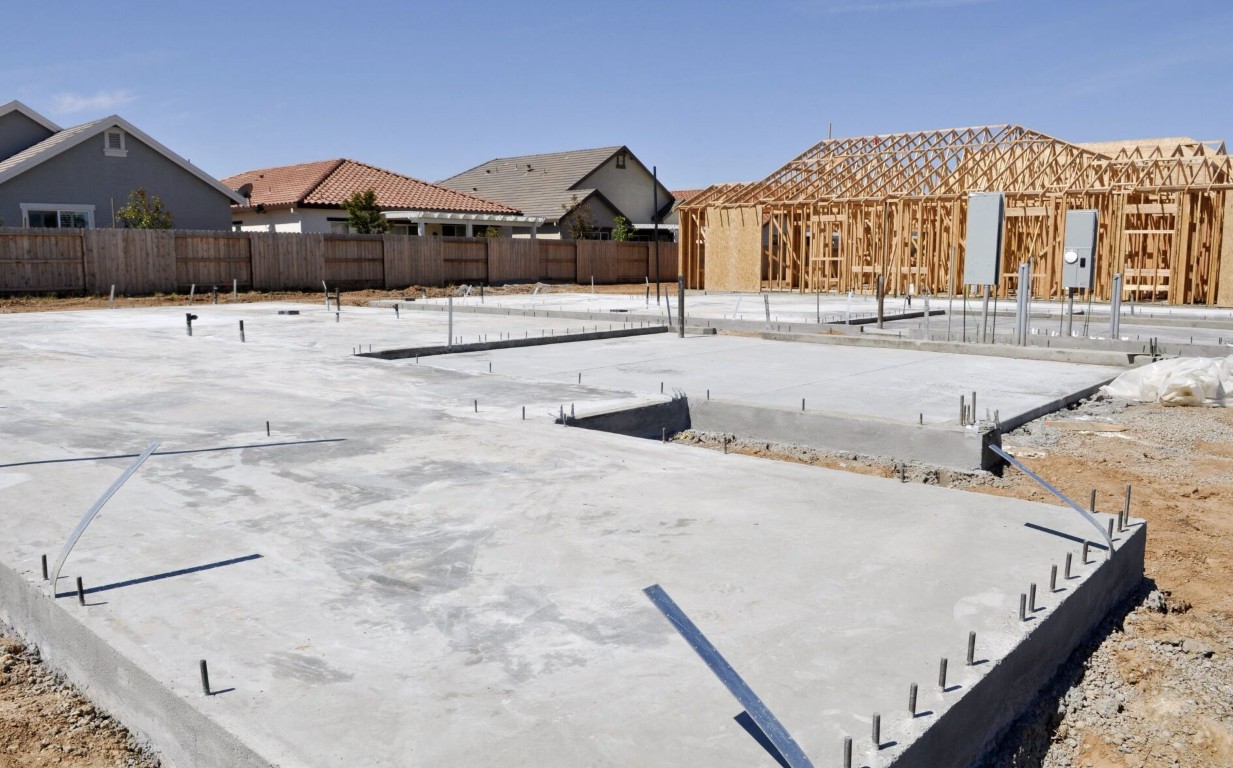
Why Foundation Work Matters Most
Everything you build sits on the foundation. A solid foundation keeps floors level, walls straight, and doors closing properly for the life of the structure. Poor foundation work causes problems that get worse over time and cost thousands to fix. Getting it right the first time saves you money and headaches for as long as you own the building.
Here in Midland, our soil conditions require specific foundation techniques. The ground expands when it gets wet and shrinks when it dries out. This movement puts stress on foundations, which is why proper design and installation matter so much. We understand local soil behavior and build foundations that handle it. The techniques that work in other regions do not always work here, so local experience counts.
Midland Concrete Company has poured foundations for homes, garages, shops, and commercial buildings throughout the area. We know what inspectors look for because we work with them regularly. Your foundation will pass inspection the first time, and it will perform correctly for decades. That peace of mind is worth the investment in quality work from experienced professionals.
Types of Concrete Foundations We Install
Foundation type depends on what you are building and site conditions. Most residential projects in our area use slab-on-grade foundations because they work well with our soil and climate. Commercial buildings might need different approaches depending on size and load requirements. We evaluate your specific situation and recommend the right foundation type for your project.
Common Foundation Types
- Monolithic slab foundations for single-story homes and small buildings
- Stem wall foundations where grade beams support perimeter walls
- Floating slab foundations for garages, shops, and outbuildings
- Thickened edge slabs that combine footings and floor in one pour
- Commercial grade slabs designed for heavy equipment and loads
- Foundation additions that tie into existing structures properly
Slab thickness varies based on use. Residential floors typically use four inches of concrete over compacted base material. Garage slabs go thicker to handle vehicle weight. Commercial applications might need six inches or more, plus additional reinforcement. We calculate the requirements based on your plans and local building codes, and every concrete floor installation we do is sized and reinforced to handle the loads it will carry.
Reinforcement is not optional in foundation work. We use rebar or wire mesh in every slab to control cracking and add tensile strength. The steel placement follows engineering specifications and code requirements. Proper reinforcement means your foundation stays intact even as the soil moves beneath it. Skipping this step to save money creates expensive problems down the road.
Our Foundation Installation Process
Foundation work starts well before we pour any concrete. Site preparation includes excavation to proper depth, soil compaction, and base material installation. We bring in gravel or crushed stone, spread it evenly, and compact it in layers. This base provides drainage and stable support for the concrete. Rushing this step leads to settling and cracking later, so we do it right.
Vapor barriers go down next to prevent ground moisture from coming up through the slab. This is especially important if you plan to put finished flooring over the concrete. We overlap barrier seams properly and seal them to create a continuous moisture barrier. Plumbing lines and electrical conduits get installed before we place reinforcement, so everything is in position before the pour.
Forms define the edges and establish proper grade. We check and double-check elevations to ensure the finished slab will be level and at the correct height. Once forms are set, reinforcement goes in at the specified spacing and elevation. We use chairs and supports to hold rebar off the base so it ends up in the middle of the slab where it does the most good.
The concrete pour happens next, with fresh concrete delivered by truck and placed carefully throughout the slab. We consolidate the concrete to eliminate air pockets and work it around the reinforcement. Finishing happens while the concrete is still workable, creating a smooth, level surface. Control joints get cut or formed to manage where cracks can occur. Curing takes several days, during which we keep the concrete moist and protected from extreme temperatures.
Working With Builders and Contractors
Most of our foundation work comes through builders and general contractors who trust us to handle the concrete portion of their projects. We coordinate with framers, plumbers, and electricians to make sure everything happens in the right sequence. Anchor bolts go in the right locations for bottom plates. Plumbing sleeves get placed where the plans show them. We understand construction sequencing and work well with other trades.
Direct homeowner projects are welcome too. If you are building a shop, garage, or addition on your property, we can work with you directly or with your chosen builder. We handle permit applications and inspections if needed, taking that burden off your shoulders. Our experience with local code requirements means we know exactly what inspectors want to see.
Timeline coordination matters on construction projects. Once we pour your foundation, other trades need to start work quickly. We schedule pours to fit your construction timeline and deliver results on schedule. Weather can affect timing, but we stay in close communication and adjust as needed. Our goal is to keep your project moving forward without delays from the foundation work.
Planning Your Foundation Project
Foundation work requires careful planning before we ever show up with equipment. You need accurate plans that show dimensions, door locations, plumbing penetrations, and any special requirements. If you are working with an architect or designer, they should provide these details. For simpler projects like garages, we can work from basic sketches as long as dimensions are clear.
Site access affects cost and timing. We need room for concrete trucks and equipment. Tight sites where we cannot get trucks close mean we pump concrete, which adds expense. Steep slopes require more excavation and possibly retaining walls. We visit every job site before bidding to identify these factors. The more we know upfront, the more accurate our estimate will be.
Budget for site preparation if your lot is not already cleared and graded. Foundation work assumes we start with a cleared, accessible site. If you need clearing, rough grading, or utility work first, that affects the overall project cost and timeline. We can recommend good excavation contractors if you need site work done before we begin. Some projects also need driveway work or other concrete installations, which we can coordinate to save you time and money.
Common Questions About Foundation Work
How long does it take to install a foundation?+
A typical residential foundation takes about one week from start to finish, but actual time on site is usually just two to three days. Site preparation and forming happen first, then the pour and finishing work. After that, the concrete needs time to cure before construction can continue. Most building codes require at least seven days of curing before framing starts, though the concrete gains most of its strength in the first few days. Weather affects timing, so we build buffer time into schedules to account for rain delays or temperature extremes.
Do I need a soil test before pouring a foundation?+
Soil tests are not required for most residential foundations in our area, but they are recommended for larger or more expensive projects. A geotechnical engineer can test your soil and provide specific recommendations for foundation design. This is especially valuable if your lot has unusual conditions like high clay content, poor drainage, or previous fill material. For standard home foundations on typical lots, our experience with local soil conditions is usually sufficient to design an appropriate foundation. Commercial projects almost always require soil testing as part of the engineering process.
What happens if the foundation cracks?+
Small hairline cracks are normal in concrete and usually not a structural concern. Concrete shrinks slightly as it cures, and minor cracking from this shrinkage is expected. Control joints channel these cracks into planned locations. However, wide cracks or cracks that grow over time can indicate foundation problems that need attention. If you see concerning cracks, have them evaluated by a professional. Most cracks can be repaired if addressed early, but waiting lets small problems become major structural issues. We stand behind our foundation work and address any legitimate problems that arise from installation defects.