Concrete Steps & Stairs
Build safe, durable access to your home or property with professionally constructed concrete steps and stairs that handle weather, traffic, and time without the maintenance wood requires.
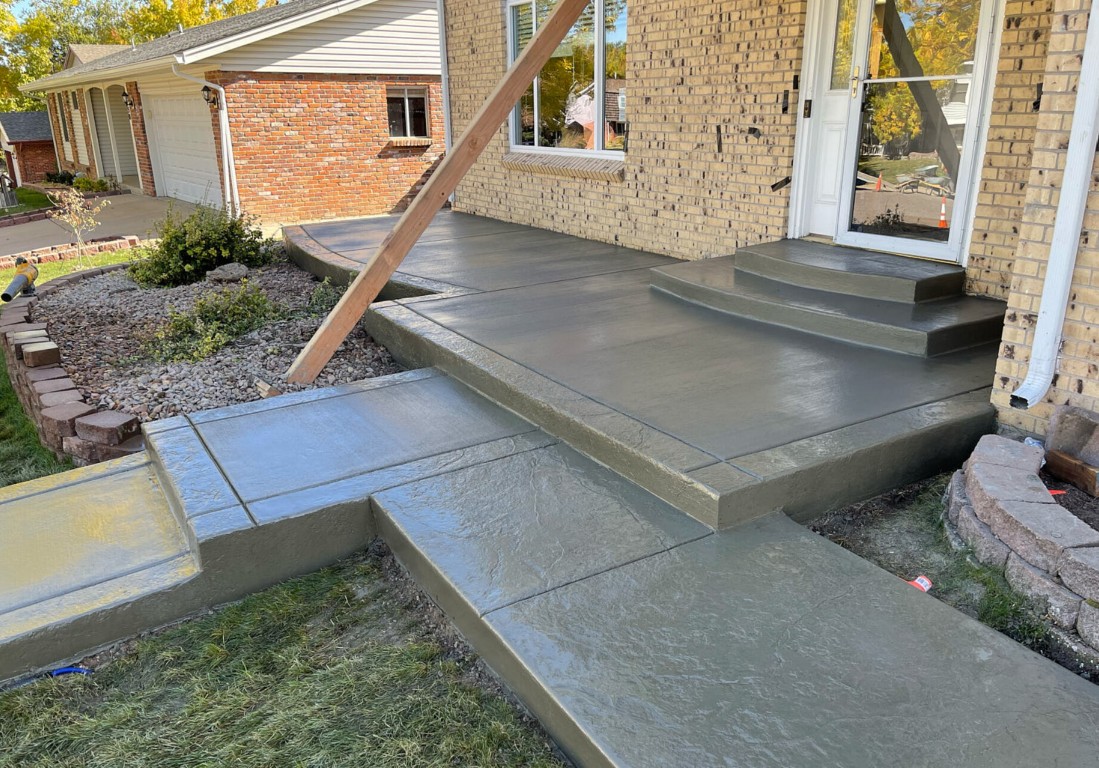
Why Concrete Steps Make Sense
Steps and stairs get constant use and serious abuse. Every person who enters or exits your home uses them, often multiple times daily. Rain, snow, ice, and sun beat down on them year-round. They need to stay safe even when wet or covered in ice. Wood steps rot, warp, and become slippery. Metal steps rust and get dangerously slick when wet. Concrete handles all these challenges while requiring minimal maintenance over decades of service.
Safety is the main reason most people choose concrete for steps. A solid concrete stairway does not shift, wobble, or develop soft spots where boards are rotting. Each step stays level and uniform, so your feet land where you expect them to. Proper tread depth and riser height make concrete steps comfortable to use, reducing the risk of trips and falls that unstable stairs create.
Midland Concrete Company builds concrete steps that meet building codes and look great. We understand the exact dimensions required for safe, comfortable steps. Risers need to be consistent height, treads need adequate depth, and the whole structure needs proper footing and drainage. These details separate professional work from amateur attempts that create problems and liability issues.
Step Design and Building Code Requirements
Building codes specify exact requirements for steps and stairs because safety is critical. Riser height, which is the vertical distance from one step to the next, typically cannot exceed seven and three-quarter inches. Tread depth, the horizontal surface you step on, must be at least ten inches. These measurements create steps that are comfortable and safe for most people to use.
Key Step Features
- Consistent riser height on all steps for safety and comfort
- Adequate tread depth so feet land securely on each step
- Proper footing below frost depth for stability
- Drainage that directs water away from steps and foundation
- Handrails for stairs with more than three risers
- Non-slip texture on tread surfaces for traction
Width depends on use and code requirements. Residential entry steps typically run 48 to 60 inches wide, providing comfortable access for people carrying groceries or furniture. Wider steps feel more welcoming and make a stronger first impression. Side yard or back door steps can be narrower, often 36 to 42 inches, since they see less traffic and serve more utilitarian purposes.
Handrails become required when you have more than three risers. We install sturdy handrail posts during the concrete pour, embedding them deeply for strength and stability. Code specifies handrail height and how far they must extend beyond the top and bottom steps. We know these requirements and build them in automatically so your steps pass inspection the first time.
Building Steps That Last
Concrete step construction starts with proper foundation work. The footing must extend below frost depth, which prevents frost heave from lifting and cracking the steps during winter freeze-thaw cycles. We excavate to proper depth, install compacted base material, and pour a footing that supports the weight and stress steps experience. Skipping this foundation work guarantees problems within a few years.
Forms for steps require precision and experience. Each riser must be exactly the right height, and the form boards must be strong enough to hold concrete without bulging. We use substantial lumber properly braced to create accurate step dimensions. The back of each tread slopes slightly forward for drainage, and the front edge gets rounded slightly so it is not a sharp corner that chips easily.
Reinforcement in steps is critical because concrete is strong in compression but weak in tension. Steps experience bending forces that create tension in the bottom portion. We use rebar in a pattern that resists these forces and prevents cracking. The reinforcement also ties the steps to their footing and to any landing or patio they connect to.
The concrete pour and finishing require coordination and speed. We place concrete from bottom to top, consolidating it thoroughly to eliminate voids. Edges get carefully finished to create clean lines. Tread surfaces receive texture for slip resistance, typically a light broom finish that provides traction without being rough. Control joints in wide steps or landings prevent random cracking by creating planned weak spots where cracks can occur in straight lines.
Types of Concrete Steps We Build
Entry steps are the most common type we install. These steps connect your front door to the ground or to a sidewalk. They make the first impression on visitors and get used constantly by your family. We design entry steps to be welcoming, safe, and proportional to your home. They can be simple and functional or include decorative elements like integrated planters or decorative railings.
Basement stairs and bulkhead entrances need special consideration. These stairs often descend below grade, requiring substantial retaining walls on the sides. Drainage is critical because water flows toward these low areas. We design proper drainage systems that keep the stairwell dry and prevent water from entering basements. The stairs themselves need to be steep enough to fit the space while remaining safe to use.
Garden steps and terraced stairs work on sloped properties where multiple elevation changes need connecting. These can be simple utilitarian steps or attractive landscaping features. We often combine these steps with retaining walls and planting areas to create multi-level outdoor spaces. The steps provide access while the walls create level areas for patios or gardens.
Commercial steps for businesses and rental properties need to meet stricter codes and handle heavier use. These stairs require specific dimensions, landing sizes, and handrail configurations. We build commercial stairs that pass inspection and provide long service under demanding conditions. The added cost of commercial-grade construction pays off in durability and reduced liability exposure.
Decorative Options and Finishes
Plain gray concrete works fine for steps, but decorative finishes transform them from purely functional to attractive features. Stamped concrete on step risers and landings can mimic stone or tile. Color additives change the gray to earth tones that complement your home exterior. These upgrades add personality while maintaining all the durability concrete provides.
Exposed aggregate creates a natural stone appearance that looks upscale. We place decorative aggregate in the concrete and expose it by removing the surface layer. The result shows beautiful natural stone with excellent slip resistance. This finish works especially well on larger landings and wide steps where the decorative surface is visible.
Borders and accents add visual interest to plain steps. A different color or texture on step nosings, the front edge of each tread, makes steps more visible. This helps with safety because people can clearly see each step even in dim light. Decorative borders on landings or integrated planters beside steps create custom looks that make your entry unique.
Lighting integrated into or beside steps improves safety and appearance. We can install conduit during construction for lights to be added later. Well-lit steps are safer to use at night and create inviting entry areas. Many homeowners add lighting as part of the step project, making the entire installation functional and attractive day and night.
Common Questions About Concrete Steps
How much do concrete steps cost?+
Step costs vary widely based on size, complexity, site conditions, and finish options. Simple three-step entry stairs cost less than elaborate multi-level outdoor stairways. Difficult access that prevents equipment use increases labor costs. Decorative finishes and integrated features like planters add expense. Handrails, if required, add to the total. We provide detailed estimates after seeing your property and understanding exactly what you need. While concrete steps represent an investment, they last decades longer than wood with virtually no maintenance, making them economical over the long term.
Can you replace existing steps without affecting my house?+
Yes, we regularly replace old steps while protecting the house and surrounding areas. We demolish carefully to avoid damaging the foundation or door threshold. Temporary access gets set up so you can still use your door during construction, though you might need to step over barriers or use a different door for a day or two. We also protect landscaping and other features near the work area. The new steps get built on a proper footing independent of the house foundation, so structural impact is minimal. Most step replacement projects take two to three days from start to finish.
Do concrete steps need maintenance?+
Concrete steps need very little maintenance compared to wood or metal. Sweep them regularly and hose off dirt and debris. Seal them every few years to protect against moisture and deicing salts. Watch for small cracks and seal them before they grow larger. Avoid using metal snow shovels that can chip edges, and go easy on deicing salts that can damage concrete surfaces over time. With these simple steps, your concrete stairs should last 30 years or more without major repairs. The minimal maintenance required is one of the main advantages concrete offers over alternative materials.